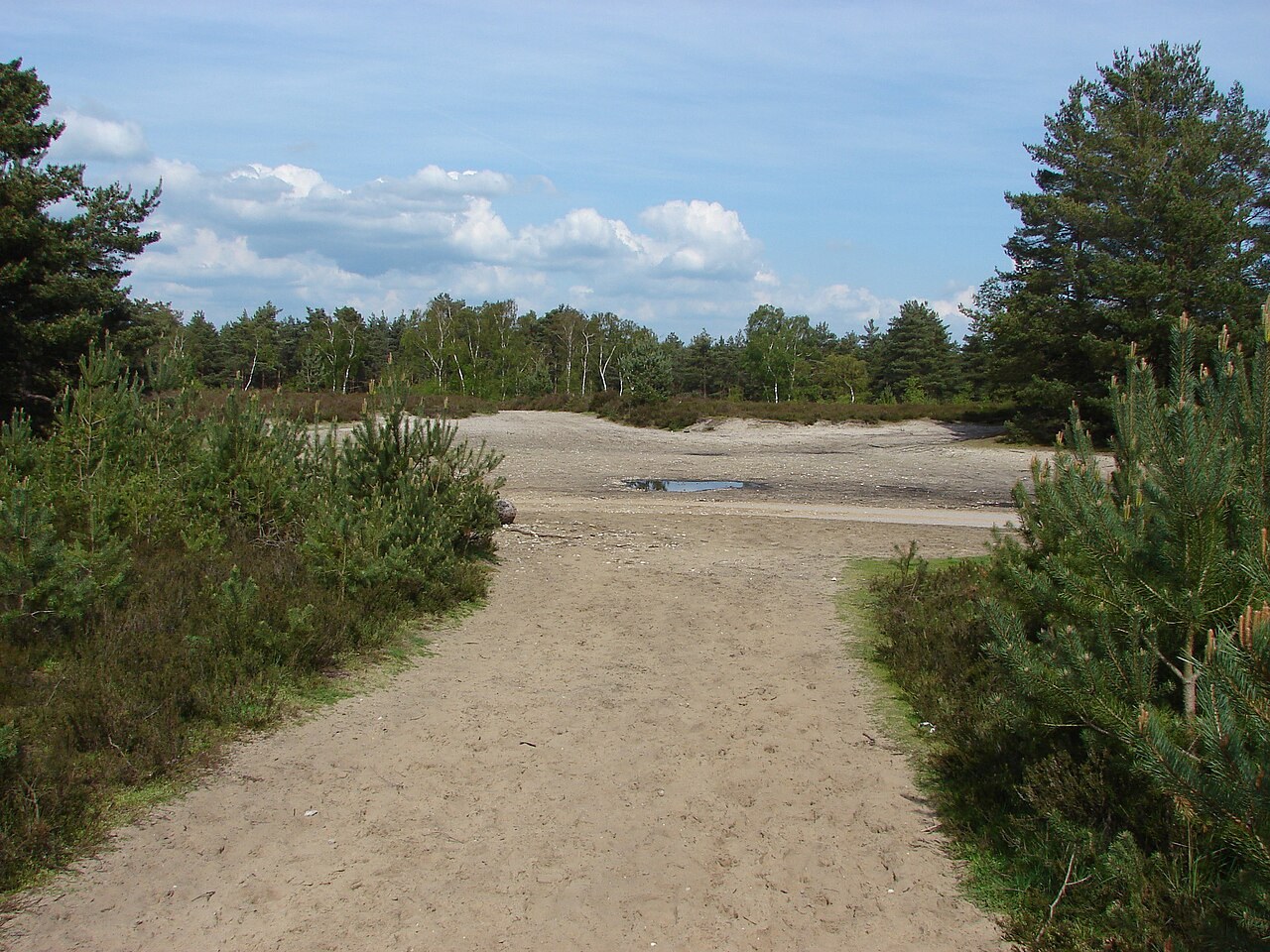
Sandy soil contains many large mineral particles and large pore spaces. Water enters quickly and can carry soluble nutrients below shallow roots. It also warms and dries faster than a clay-rich soil.

- Test the soil before adding fertilizer or large amounts of compost. Sandy soil can be acidic, neutral, or alkaline; texture does not decide pH.
- For a new vegetable bed, a 3- to 4-inch (8 to 10 cm) layer of mature compost can be mixed into the upper 8 to 12 inches (20 to 30 cm).
- On an established bed, add only one-quarter to 1 inch (0.6 to 2.5 cm) of compost in a year. Too much can build up phosphorus and salts.
- Cover the surface with mulch to slow evaporation.
- Check moisture below the surface and water deeply enough for the crop's root zone, but do not assume every sandy garden follows one schedule.
- Use fertilizer only as a soil test recommends, often in smaller divided applications so nutrients are less likely to leach away.
Do not bury undecomposed hay or raw sawdust as a “moisture reservoir.” Those materials decompose unpredictably and can compete with roots for nitrogen. Finished compost and surface mulch are safer, measurable tools.